Enhancing Weld Quality with Advanced Plate Beveling Techniques
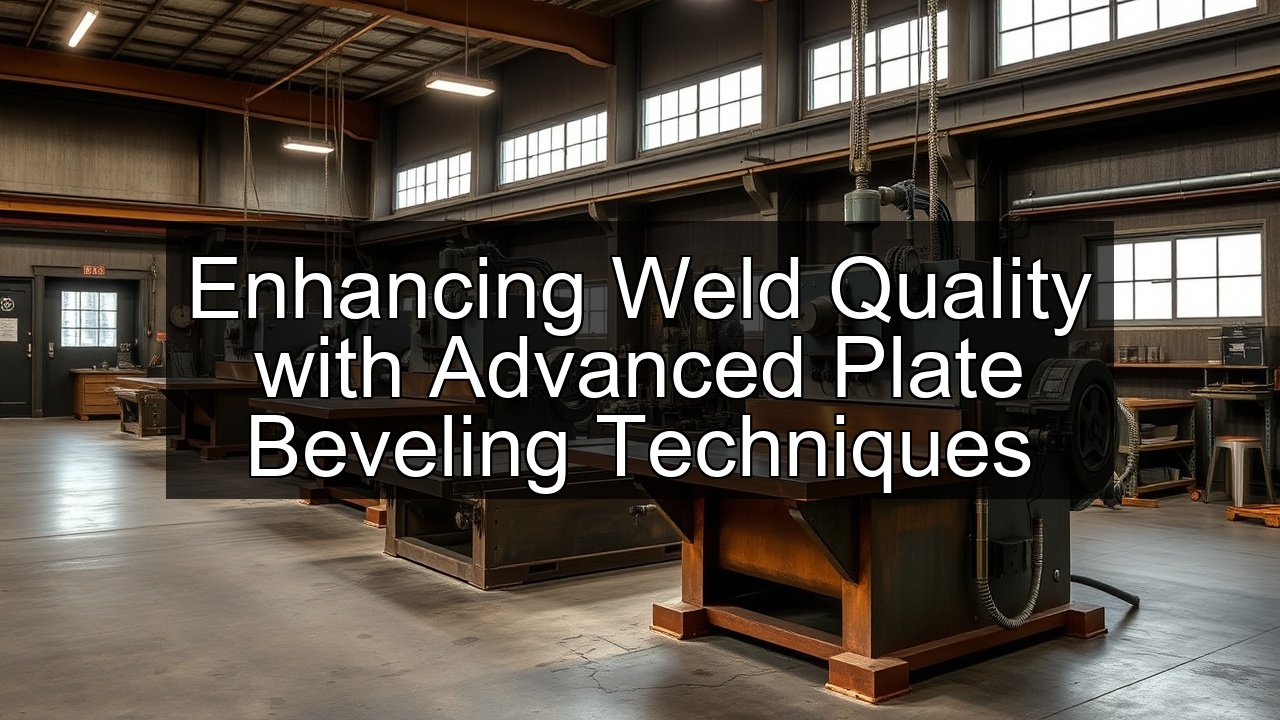
Understanding Plate Beveling Techniques
What is Plate Beveling?
Plate beveling involves the process of creating an angled edge on a metal plate, typically to prepare it for welding. This technique serves a crucial role in ensuring that the weld penetration is deep enough to create a strong bond between two pieces of metal. Beveling also enhances the surface area for the weld, resulting in better strength and durability of the joint. Various tools, including plate beveling machines, are employed to achieve the desired angle and finish, simplifying the task compared to manual methods. Overall, plate beveling combines precision and efficiency, vital for high-quality metalworking.
Importance of Plate Beveling in Metalworking
Plate beveling holds significant importance in the realm of metalworking. Properly beveled edges facilitate a smoother welding process. When the industrial beveling machines edges of metal plates are beveled, they allow the welding material to flow more evenly, leading to stronger welds. This technique minimizes the risk of defects, such as cracks or incomplete fusion, which can jeopardize structural integrity. In industries such as shipbuilding, construction, and manufacturing, where high-strength welds are non-negotiable, effective beveling techniques can make the difference between a successful project and costly failures.
Common Applications of Plate Beveling Techniques
Plate beveling techniques find application across various industries. In shipbuilding, beveling is essential for joining hull plates, ensuring watertight seals. The construction sector also relies on this technique for fabricating steel beams and columns, where strong welds are critical for safety and stability. Additionally, manufacturers of heavy machinery utilize beveling to enhance the quality of their products, ensuring durability and reliability. Other applications include pipelines, pressure vessels, and even automotive components, making plate beveling a versatile process in the realm of metalworking.
Types of Plate Beveling Machines
Manual vs. Automatic Plate Bevelers
Plate beveling machines come in two primary categories: manual and automatic. Manual plate bevelers require skilled operators to guide the tool, which can lead to variability in quality and efficiency. These machines often suit smaller operations or custom jobs where precision is critical. On the other hand, automatic plate bevelers offer enhanced efficiency and consistency. These machines operate independently, utilizing advanced technology to adjust angles and speeds, ensuring uniform bevels across multiple plates. Automatic bevelers significantly reduce labor costs and minimize human error, making them ideal for large-scale production environments.
Heavy Duty Beveling Machines: Features and Benefits
Heavy-duty beveling machines are designed to handle thick materials and high-volume production. These robust machines feature powerful motors that can cut through substantial plate thicknesses, making them suitable for industries that work with heavy metals. Key benefits of heavy-duty beveling machines include increased durability, enhanced cutting speeds, and the ability to produce precise bevels consistently. Such machines often come equipped with advanced features like adjustable bevel angles and integrated deburring capabilities, ensuring a clean finish. Investing in heavy-duty beveling machines can lead to improved operational efficiency and superior weld quality, vital for industries demanding rigorous standards.
Precision Plate Beveling Machines for Quality Welds
Precision plate beveling machines focus on delivering highly accurate bevels with minimal deviation. These machines utilize advanced technology, such as CNC (Computer Numerical Control), to automate the beveling process. This level of precision is essential for industries that require exact specifications for welding, such as aerospace and medical device manufacturing. The ability to create repeatable, uniform bevels ensures that welds achieve maximum strength and reliability. Precision machines often feature sophisticated controls that allow operators to fine-tune settings for various materials and thicknesses, which enhances overall product quality. By choosing precision plate beveling machines, manufacturers can significantly elevate their welding outcomes.
Key Features of Advanced Plate Beveling Machines
High-Speed Plate Beveling: Efficiency and Output
High-speed plate beveling machines revolutionize the beveling process by offering rapid cutting capabilities without sacrificing quality. The efficiency of these machines results from powerful motors and optimized cutting tools designed to handle multiple plates simultaneously. When operating at high speeds, these machines can dramatically reduce production times while maintaining precise bevel angles necessary for effective welding. Industries that rely on fast turnaround industrial beveling machines times, such as construction and manufacturing, benefit significantly from high-speed beveling. Additionally, the increased output allows companies to meet tight deadlines and fulfill large orders without compromising on quality.
Deburring Capabilities of Modern Bevelers
Modern plate beveling machines often include integrated deburring capabilities, a feature that enhances the overall quality of the finished product. Deburring removes sharp edges and burrs created during the beveling process, resulting in smoother surfaces that are safer to handle and easier to weld. This capability minimizes the need for secondary operations, reducing labor costs and time spent on additional finishing processes. By investing in machines that offer deburring, manufacturers can streamline their workflows and improve the quality of the welds. Clean edges promote better adhesion of welding materials, ultimately leading to stronger, more reliable joints.
Automation in Plate Beveling: The Future of Machine Tools
Automation is transforming the landscape of plate beveling machines, offering manufacturers unprecedented levels of efficiency and consistency. Automated systems utilize advanced controls and sensors to monitor the beveling process, ensuring that each edge meets predefined specifications. This technology minimizes human error and allows for seamless integration into larger automated production lines. The future of machine tools will likely see even greater advancements in automation, such as AI-driven adjustments and predictive maintenance, ensuring optimal performance and reducing downtime. Embracing automation in plate beveling not only enhances productivity but also supports the trend toward smart manufacturing solutions.
Choosing the Right Plate Beveling Machine
Considerations for Selecting a Bevel Plate Machine
Selecting the right plate beveling machine involves several critical considerations. First, assess the thickness and type of metal you will work with. Different machines have varying capabilities, and selecting one that aligns with your material requirements ensures optimal performance. Next, consider the volume of production. For high-volume operations, automatic beveling machines may be more beneficial, while manual machines suffice for smaller tasks. Additionally, evaluate the range of bevel angles required for your projects and ensure the machine can accommodate those specifications. The overall budget also plays a vital role, balancing cost with the features necessary for your specific applications.
Top Brands: Gullco International and Beyond
When it comes to plate beveling machines, several reputable brands stand out in the market. Gullco International is a leading manufacturer known for its high-quality beveling machines and innovative solutions. Their products cater to a wide range of applications, ensuring that customers find machines tailored to their needs. Other notable brands include Esab and KMS, which also offer reliable and efficient beveling solutions. Researching different brands and their product offerings can provide valuable insights into the best options available. Consider user reviews and testimonials to gauge the performance and reliability of the machines you are considering.
Understanding SKU and MPB in Machine Tools
Understanding SKU (Stock Keeping Unit) and MPB (Machine Part Number) is essential when selecting plate beveling machines. The SKU helps identify and track inventory, ensuring you can easily reorder parts or machines as needed. Conversely, the MPB provides specific details about a machine's features and capabilities, allowing for more informed purchasing decisions. Familiarity with these terms can streamline the selection process, ensuring that you choose the right bevel plate machine for your operations. By knowing what to look for, manufacturers can avoid costly mistakes and enhance their production capabilities with the appropriate machine tools.