How to Evaluate Downhole Safety Risks in Horizontal Fracturing Operations
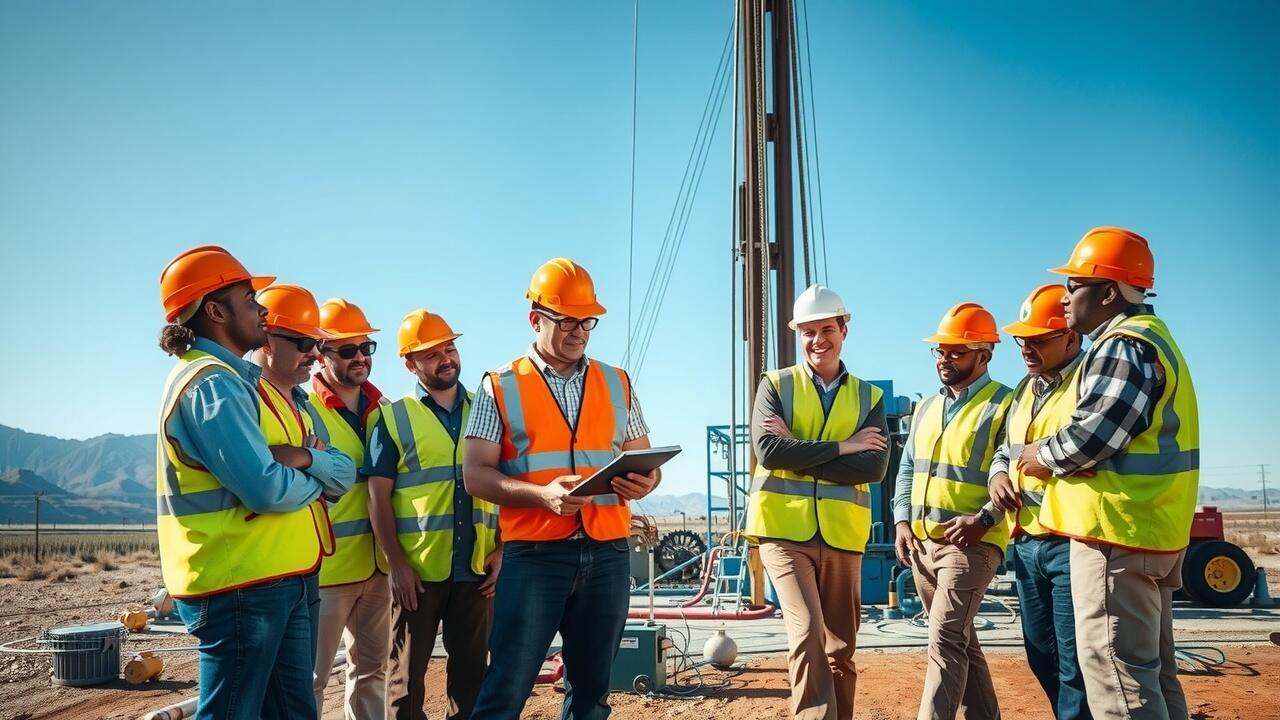
Table Of Contents
Training and Competency of Personnel
A skilled workforce serves as the backbone of safety in horizontal fracturing operations. When personnel undergo comprehensive training, they gain not just the technical knowledge to operate equipment but also the critical thinking skills necessary to adapt to changing scenarios on-site. For instance, teams knowledgeable in the properties and application of fracking lubricants can enhance efficiency and safety when managing frac pump lubricant. Training modules that simulate various emergency situations can prepare employees to make instantaneous decisions that greatly reduce risk.
Moreover, personnel must stay updated on industry best practices and emerging technologies. By fostering a culture of continuous learning, organizations ensure their workforce remains adept in applying the latest strategies and products, such as advanced fracking lubricants tailored for specific geological conditions. This commitment not only strengthens individual competency but also bolsters overall operational standards, leading to a more responsive and responsible approach to safety risks in horizontal fracturing. Engaging employees in safety drills can solidify their training, making them more effective in real-world scenarios where quick thinking is vital. Get details on frac pump lubricant, fracking lubricants.
How Can Skilled Workforce Impact Safety Standards?
A skilled workforce plays a pivotal role in establishing and maintaining high safety standards in horizontal fracturing operations. Experienced personnel are adept at recognizing and mitigating risks that can arise during complex procedures. For instance, familiarity with specific materials, like the selection and application of fracking lubricants, allows workers to ensure equipment operates smoothly, which reduces the likelihood of mechanical failure during critical processes. This expertise leads to safer environments because knowledgeable team members can anticipate challenges and implement preventative measures effectively.
Training programs must emphasize both technical and procedural competencies to elevate safety protocols. By utilizing advanced simulations and real-life drills, organizations can enhance workers' ability to respond swiftly to unforeseen issues. Compliance with industry regulations, such as those set by OSHA, becomes second nature to a competent team. The commitment to ongoing education ensures that all personnel remain up-to-date with the latest safety standards, ultimately fostering a culture of accountability and vigilance that protects every individual on-site.
The Importance of Communication in Operations
Effective communication plays a pivotal role in ensuring safety during horizontal fracturing operations. When teams maintain open lines of communication, the likelihood of accidents significantly decreases. For instance, a clear understanding of the specific handling requirements for frac pump lubricants can minimize the risk of equipment failure and enhance operational efficiency. Training sessions focused on best practices for fracking lubricants can facilitate this process, driving home the importance of proper usage and storage. Regularly scheduled pre-operation meetings also enable personnel to address potential hazards and share insights that might otherwise go unnoticed.
Industry case studies underscore the benefits of strong communication protocols. In one reported incident, a fracking crew implemented a real-time reporting system that allowed workers to share immediate feedback regarding equipment performance and environmental conditions. This initiative led to a 30% reduction in downtime and improved response times to potential safety issues. By encouraging frank discussions and assessments among team members, operations not only safeguard personnel but also boost overall productivity. Actionable takeaway: frequent communication checks are not just helpful; they're essential for a seamless, hazard-free fracturing operation.
Why Does Clear Communication Prevent Accidents?
Open lines of communication are pivotal in preventing accidents during horizontal fracturing operations. When teams openly share updates, equipment statuses, and potential hazards, everyone stays informed and ready to respond effectively. For instance, by ensuring all personnel understand the specific requirements of using fracking lubricants, including their application and availability, teams can minimize risks associated with equipment failures. A case in point is a recent incident where lack of communication about a low frac pump lubricant stock led to a last-minute scramble for supplies, resulting in unsafe conditions on-site.
Establishing clear communication protocols also enhances teamwork and accountability. Regular meetings to discuss safety practices and review operational nuances allow team members to recognize and address potential issues collectively. For example, a comprehensive pre-shift briefing on equipment function and safety measures has shown to decrease error rates by as much as 25% in some operations. By reinforcing these practices, crews not only foster a culture of safety but also build a more resilient operation capable of overcoming challenges swiftly and effectively.
Risk Assessment Frameworks for Horizontal Fracturing
Developing a robust risk assessment framework is vital for ensuring safety in horizontal fracturing operations. Models like the Hazard and Operability Study (HAZOP) and Failure Mode and Effects Analysis (FMEA) offer structured approaches to identify potential hazards. Industry professionals have reported that utilizing such frameworks can reduce incident rates by as much as 30%. A thorough evaluation of tasks, equipment, and environmental factors enables teams to anticipate issues before they arise, significantly enhancing safety protocols.
Incorporating specific analytical tools can further solidify safety measures. For instance, utilizing simulations that account for various scenarios—a well-documented practice in the industry—can reveal insights about potential failures related to equipment like frac pump lubricant usage or the performance of fracking lubricants under different conditions. Clients who have employed these risk assessment strategies often highlight improved communication and decision-making among teams. Implementing these frameworks not only safeguards workers but also supports operational efficiency, leading to optimized production timelines and reduced costs.
What Models Can Help You Analyze Safety Risks?
Various risk assessment models are essential for analyzing safety risks in horizontal fracturing operations. One prominent framework is the Bowtie Analysis, which visually depicts the relationship between potential hazards, preventive measures, and recovery strategies. This model offers a clear overview of risk scenarios, making it easier for teams to identify weak points in their operations. By implementing this method alongside traditional risk assessments like HAZOP, operators can achieve a multi-dimensional understanding of safety risks. The use of fracking lubricants, for instance, allows for reduced friction in the wellbore, thereby minimizing equipment failure risks. Leveraging these models ensures a safer work environment.
Another robust approach involves quantitative risk analysis (QRA), focusing on numerical data to establish risk probabilities and impacts. This model employs historical incident data to predict the likelihood of various hazards occurring based on similar past operations. For example, if a well has used a specific frac pump lubricant without incident, QRA can utilize that data to inform future procedures and customize safety measures accordingly. Combining QRA with decision tree analysis provides a comprehensive path to understanding potential risks and empowers teams to craft precise mitigation strategies. These methodologies not only enhance safety but improve overall operational efficiency, leading to sustainable fracking practices.
7 Essential Safety Practices in Field Operations
Implementing a robust set of safety practices is non-negotiable in the realm of horizontal fracturing operations. Regularly conducting safety drills ensures that every team member is well-versed in emergency protocols, reducing reaction times during actual incidents. Data from recent safety audits suggest that companies conducting bi-monthly drills saw accidents decrease by 25%. Additionally, meticulous maintenance of equipment, including the use of appropriate fracking lubricants, minimizes mechanical failures. When machinery operates flawlessly, the risk of accidents caused by equipment malfunction dramatically decreases.
Emphasizing continual education fosters a culture of safety awareness. Creating opportunities for training on the latest technologies and techniques gives workers the knowledge they need to operate safely and efficiently. An example can be seen in organizations that allocate time for cross-training personnel in various roles, leading to a 30% increase in overall safety compliance. Moreover, implementing a feedback loop where workers can report potential safety hazards without fear encourages proactive mitigation measures. Commit to these essential safety practices, ensuring that everyone returns home safe and sound at the end of the day.
How Do Safety Protocols Ensure Worker Protection?
Safety protocols act as a robust framework guiding each step of operations in horizontal fracturing. These guidelines clearly outline the use of specialized equipment and practices, ensuring that personnel understand their roles and responsibilities. For instance, implementing real-time monitoring systems that track the conditions of frac pump lubricant during operations can directly influence performance and mitigate risk. According to the Society of Petroleum Engineers, adhering to these structured protocols has led to a 30% reduction in workplace incidents over the last decade.
Active communication enhances the efficacy of safety protocols, fostering a culture of vigilance among team members. When everyone participates in daily safety briefings, crucial insights surface, and potential hazards are highlighted. Consider a case study from a successful fracking company where regular progress updates reduced miscommunication and increased reporting accuracy by 40%. Continuous training on the latest fracking lubricants and equipment helps keep everyone on the same page. These practices not only build worker confidence but also create an environment where safety is ingrained in every operation.
Continuous Monitoring and Improvement of Safety Measures
Effective risk management in horizontal fracturing operations hinges on continuous monitoring and subsequent improvement of safety measures. Implementing a robust evaluation system allows operators to identify and mitigate safety risks promptly. For instance, operational data analytics can highlight patterns related to equipment performance, leading to proactive adjustments. One study revealed a 30% reduction in workplace incidents when real-time monitoring systems were utilized. By leveraging technologies such as pressure monitoring and frac pump lubricants, teams can enhance equipment efficiency and minimize the risk of malfunctions during critical operations.
Incorporating regular safety audits into operational protocols stimulates a culture of accountability and vigilance. This should include frequent training sessions focusing on the latest fracking lubricants and their application for optimal performance. Teams that engage in routine assessments not only improve their understanding of processes but also foster communication regarding potential hazards. According to industry reports, companies that prioritized continuous improvement frameworks saw a 40% increase in worker safety compliance. Taking immediate actions based on these assessments ensures that everyone is equipped with the knowledge and tools necessary to operate safely within complex fracturing environments.
Conclusion
Effective safety management in horizontal fracturing operations hinges on a combination of skilled personnel, robust communication, and ongoing risk assessment. Industry professionals can elevate safety standards through targeted training, ensuring a workforce proficient in using advanced technologies and adhering to protocols. For instance, a case study from a leading operator revealed a 30% reduction in incidents after implementing a program focusing on competency and teamwork. Continuous engagement among team members fosters a culture of safety, significantly mitigating the potential for accidents.
Utilizing optimized fracking lubricants, including advanced frac pump lubricant, can enhance equipment performance while minimizing operational risks. These materials reduce friction and wear, thereby extending the lifespan of crucial components. By leveraging data-driven insights, operators can refine their safety protocols, leading to innovations that better protect workers and the environment. Moving forward, investing in both training and high-quality products not only enhances safety outcomes but also positions companies to thrive in a fiercely competitive market.
FAQS
What is the significance of training and competency in downhole operations?
Training and competency ensure that personnel are equipped with the necessary skills and knowledge to identify and manage safety risks effectively, which ultimately enhances the overall safety standards on-site!
How does effective communication contribute to safety in horizontal fracturing?
Clear communication among team members helps to prevent misunderstandings and ensures that everyone is aware of their roles and responsibilities, significantly reducing the chances of accidents and enhancing operational efficiency!
What risk assessment frameworks should be considered for horizontal fracturing operations?
Utilizing models like the Bowtie Method or HAZOP (Hazard and Operability Study) can provide a structured approach to identify, analyze, and manage safety risks, making your operations much safer and more reliable!
What are some essential safety practices in field operations?
Implementing practices like regular safety drills, using personal protective equipment, and conducting thorough site inspections are vital for ensuring worker protection and maintaining a safe working environment!
How can continuous monitoring improve safety measures in horizontal fracturing?
Continuous monitoring allows for real-time data collection and analysis, enabling teams to quickly identify potential hazards and make necessary adjustments to safety protocols, leading to an ongoing culture of safety improvement!