A Beginner’s Guide to 5 Axis Laser Cutting
Understanding 5 Axis Laser Cutting Technology
What is 5 Axis Laser Cutting?
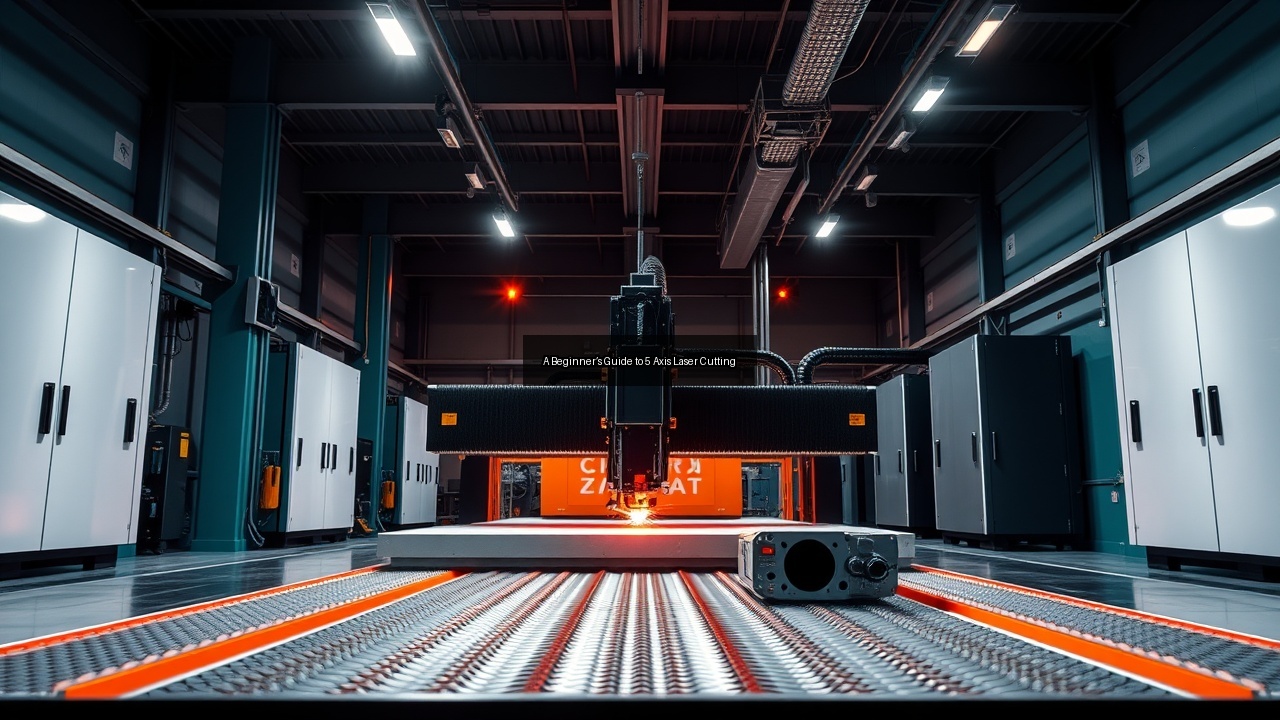
5 axis laser cutting represents an advanced method of laser cutting technology, allowing for complex shapes and intricate designs with unparalleled precision. Unlike traditional laser cutting, which typically operates on a 2D plane, 5 axis laser cutting incorporates additional axes of movement. This multidimensional approach enables the laser cutter to access various angles, offering greater flexibility in the cutting process. With five distinct axes, operators can manipulate the laser beam to create three-dimensional cuts and engravings, making it ideal for detailed work in various industries, including automotive, aerospace, and HVAC.
How 5 Axis Differs from Traditional Laser Cutting
The primary difference between 5 axis laser cutting and traditional laser cutting lies in the degree of freedom each technology offers. Traditional laser cutting primarily operates on two axes, limiting its capability to flat, two-dimensional cuts. In contrast, 5 axis laser cutting incorporates three linear axes and two rotational axes, allowing the laser to move in multiple directions simultaneously. This capability facilitates more complex geometries, such as beveled edges and intricate contours, which are often necessary in modern metal fabrication and engineering projects. Additionally, the 5 axis approach reduces the need for multiple setups, streamlining the production process and enhancing efficiency.
Applications in Metal Fabrication and Engineering
5 axis laser cutting finds extensive application in metal fabrication and engineering, where precision and complexity are paramount. Industries such as aerospace benefit significantly from this technology, utilizing it for components that require tight tolerances and intricate designs. Additionally, 5 axis laser cutting serves the automotive industry for parts that demand lightweight yet robust characteristics. HVAC manufacturing also leverages this technology to create custom ductwork and fittings, ensuring seamless integration in various systems. The adaptability of 5 axis laser cutting makes it a vital tool in modern engineering, enabling the production of bespoke parts that meet specific client requirements.
The Laser Cutting Process Explained
Step-by-Step Overview of the Laser Cutting Process
The laser cutting process begins with the design phase, where engineers use CAD (Computer-Aided Design) software to create precise digital models of the desired components. Once the design is finalized, it is transferred to a CNC (Computer Numerical Control) system, which interprets the digital file and prepares it for cutting. The laser cutting machine then engages, focusing a powerful laser beam onto the material’s surface. The intense heat generated by the laser melts or vaporizes the material, resulting in a clean cut. After the cutting is complete, post-processing may involve cleaning or finishing the edges to five axis laser cutting ensure quality. This step-by-step approach emphasizes the precision and control inherent in the laser cutting process.
Role of CNC and CAM in 5 Axis Laser Cutting
CNC and CAM systems play critical roles in the efficiency and accuracy of 5 axis laser cutting. The CNC system controls the movement of the laser cutter, ensuring that it follows the programmed path with precision. This technology allows for real-time adjustments based on the properties of five axis laser cutting the material being cut, enhancing the overall quality of the output. Meanwhile, CAM (Computer-Aided Manufacturing) software assists in translating the CAD designs into machine-readable instructions. Together, CNC and CAM streamline the fabrication process, significantly reducing errors and production time. Their integration into 5 axis laser cutting illustrates the synergy between advanced software and hardware technologies in modern manufacturing.
Choosing the Right Laser Cutting Equipment
Selecting the appropriate laser cutting equipment is crucial for achieving optimal results in 5 axis laser cutting. Factors to consider include the type of material being processed, the thickness of the material, and the intricacy of the desired cuts. Different lasers, such as CO2 or fiber lasers, cater to various materials, with fiber lasers excelling in cutting metals and CO2 lasers being more versatile for non-metals. Additionally, the power output of the laser cutter affects the cutting speed and quality. Investing in high-quality laser cutting equipment tailored to specific applications can significantly enhance production efficiency and reduce operational costs.
Benefits of Using 5 Axis Laser Cutting Services
Precision and Accuracy in Laser Cuts
5 axis laser cutting services deliver unmatched precision and accuracy, critical for intricate designs and high-tolerance components. The ability to manipulate the laser beam in multiple directions allows for clean, precise cuts that traditional methods cannot achieve. This level of accuracy minimizes material waste and reduces the need for extensive post-processing, which can be time-consuming and costly. Industries that require exacting standards, such as aerospace and healthcare, often rely on 5 axis laser cutting for components that must meet stringent regulatory requirements. The high-quality output from these services strengthens the overall integrity of the final products.
Cost-Effectiveness for Metal Fabrication
Utilizing 5 axis laser cutting services often proves to be cost-effective for metal fabrication projects. The efficiency of the cutting process reduces labor and setup times, allowing companies to complete projects faster and with fewer resources. Moreover, the precision of 5 axis laser cutting minimizes material wastage, which can significantly lower production costs. As businesses strive to maximize their profit margins, leveraging the advantages of 5 axis laser cutting can lead to substantial savings in both time and materials, making it a smart choice for manufacturers seeking to optimize their operations.
Versatility in Material Types and Designs
5 axis laser cutting services offer remarkable versatility, accommodating a wide range of materials and designs. From metals like steel and aluminum to plastics and composites, this technology can handle various substrates with ease. The ability to create complex shapes and detailed engravings enhances design options, enabling businesses to produce custom parts tailored to their specific needs. This versatility extends to industries ranging from automotive to five axis laser cutting electronics, making 5 axis laser cutting an invaluable asset for companies looking to innovate and differentiate their products in a competitive market.
Finding the Right 5 Axis Laser Cutting Service
Key Factors to Consider When Selecting a Service
Choosing the right 5 axis laser cutting service involves evaluating several key factors. First, assess the service provider’s experience and expertise in the specific materials and applications relevant to your project. Look for reviews or case studies that demonstrate their capability in handling complex designs. Additionally, consider the technology used by the service provider, ensuring they employ modern, high-quality laser cutting equipment. Customer service and communication also play vital roles; a responsive provider can guide you through the process and address any concerns effectively. These factors collectively contribute to a successful partnership for your metal fabrication needs.
Comparing Laser Cutting Services for Your Project
When comparing laser cutting services, compile a list of prospective providers and evaluate them based on their capabilities, technology, and pricing. Request quotes that detail not only the costs but also the expected turnaround times and quality assurances. Pay attention to the range of services offered, including design support, prototyping, and post-processing options. Some providers may specialize in certain industries, which can be beneficial if your project requires specific expertise. By methodically comparing these aspects, you can identify the most suitable 5 axis laser cutting service to meet your project requirements.
Future Trends in Laser Cutting Technology
The landscape of laser cutting technology is continually evolving, with future trends poised to enhance the efficiency and capabilities of 5 axis laser cutting. Automation and artificial intelligence are increasingly influencing manufacturing processes, enabling smarter, more adaptive laser cutting solutions. Innovations in laser sources, such as advances in fiber laser technology, will further improve cutting speeds and quality, especially for challenging materials. Additionally, as industries push for sustainability, laser cutting technology may incorporate eco-friendly practices, such as reduced energy consumption and minimized waste. Staying informed about these trends will help businesses leverage the latest advancements in laser cutting services for competitive advantage.