The Art of Gearbox Rebuilding and Its Impact on Efficiency
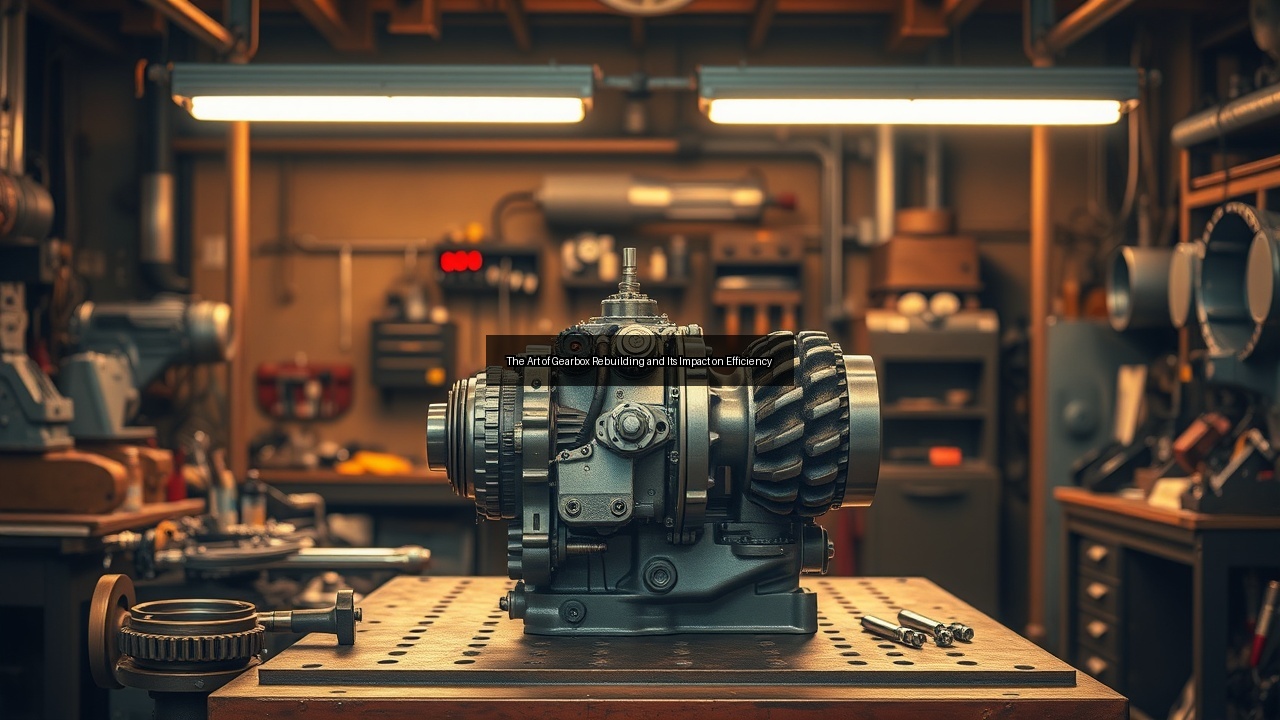
Understanding Gearbox Rebuilding
The Importance of Gearbox Efficiency
Gearbox efficiency plays a crucial role in the overall performance of machinery and vehicles. An efficient gearbox ensures that power from the engine transfers smoothly to the wheels, optimizing fuel consumption and enhancing torque delivery. Poorly functioning gearboxes lead to increased energy loss, resulting in higher operational costs and reduced productivity. In industries relying on heavy machinery, the impact of gearbox inefficiency can be particularly severe, causing downtime and substantial financial losses. Therefore, understanding and addressing gearbox efficiency through rebuilding processes becomes essential for maintaining operational integrity and reducing long-term costs.
Common Signs Your Gearbox Needs a Rebuild
Identifying the signs that your gearbox requires a rebuild is vital for avoiding catastrophic failures. Common indicators include unusual noises such as grinding or whining, which suggest internal wear or misalignment. Additionally, leaks from the gearbox casing often signal the breakdown of seals or gaskets, leading to lubrication loss. Other signs include overheating, which can stem from inadequate lubrication or excessive load, and slipping gears that indicate worn or damaged teeth. Recognizing these symptoms early on can save significant repair costs and prevent unnecessary downtime, paving the way for timely gearbox rebuilds.
The Process of Gearbox Inspection and Diagnostics
Effective gearbox rebuilding starts with thorough inspection and diagnostics. Technicians use advanced tools to assess the condition of the gearbox, examining various components such as gears, bearings, and shafts. They often perform non-destructive testing methods to identify hidden defects without damaging the gearbox. This initial phase also involves analyzing lubrication quality and checking for metal shavings, which can indicate wear. Accurate diagnostics allow for a targeted approach during the rebuild, ensuring that all underlying issues are addressed. By prioritizing this step, companies can enhance the longevity and performance of their gearboxes significantly.
The Gearbox Rebuilding Process
Disassembly and Initial Assessment
The gearbox rebuild process begins with careful disassembly. Skilled technicians meticulously take apart the gearbox to avoid damaging any components. Each part is cleaned and inspected individually to assess its condition. During this initial assessment, technicians identify which components require replacement or refurbishment. This process is critical, as it lays the foundation for the entire rebuild. A thorough inspection also uncovers any underlying issues that might not be visible at first glance, ensuring that the rebuild addresses all potential failures. This attention to detail is what ultimately enhances the reliability and efficiency of the gearbox.
Machining and Component Replacement
After disassembly and assessment, the next step involves machining and component replacement. Worn gears and bearings often require precise machining to restore their original dimensions, ensuring proper meshing and alignment. In some cases, technicians may opt to replace components with upgraded versions that offer better performance or durability. This stage is critical for enhancing the gearbox’s efficiency, as high-quality replacement parts can significantly reduce friction and wear. The integration of modern materials and technologies during this phase can lead to improved performance metrics, making the gearbox more robust and reliable in demanding operational environments.
Reverse Engineering for Improved Performance
Reverse engineering plays a pivotal role in gearbox rebuilding, especially when aiming for improved performance. Technicians analyze the original design and performance metrics to identify areas for enhancement. By using advanced software, they can simulate the gearbox's operations under various loads and conditions, pinpointing weaknesses in the existing design. This data-driven approach allows for modifications that optimize gearing ratios and reduce inefficiencies. Implementing these improvements not only boosts overall performance but also extends the lifespan of the gearbox. The ability to innovate through reverse engineering sets apart high-quality gearbox rebuild services from standard repair shops.
Impact of Gearbox Rebuilding on Performance
Efficiency Gains and Cost-Benefit Analysis
The impact of gearbox rebuilding on efficiency is substantial. A well-rebuilt gearbox operates closer to its optimal performance levels, resulting in significant efficiency gains. This translates into lower fuel consumption, reduced wear on associated components, and extended operational lifespans. Conducting a cost-benefit analysis reveals that the initial investment in gearbox rebuild services pays off through savings on repairs, maintenance, and operational costs over time. Companies can also experience an uptick in productivity, as machines run more smoothly and require less downtime. Ultimately, investing in a gearbox rebuild is a strategic move that gearbox overhauls enhances both performance and profitability.
Preventative Maintenance: Extending Gearbox Lifespan
Preventative maintenance is essential for extending the lifespan of gearboxes. Regular inspections and timely rebuilds help catch potential issues before they escalate into major failures. Implementing a routine maintenance schedule ensures that lubrication levels remain optimal, reducing friction and wear on gears. Moreover, keeping an eye on performance metrics allows companies to address any degradation in efficiency promptly. By prioritizing preventative maintenance, businesses can avoid unexpected breakdowns and the associated costs of emergency repairs. This proactive approach not only preserves the integrity of the gearbox but also enhances the reliability of the entire machinery system.
Failure Analysis: Learning from Past Issues
Failure analysis provides invaluable insights that inform future gearbox rebuilding and maintenance strategies. By investigating past failures, technicians can identify root causes, whether they stem from material defects, improper lubrication, or design flaws. This knowledge helps refine rebuilding techniques, ensuring that similar issues do not reoccur. A thorough understanding of failure mechanisms also allows companies to modify their maintenance schedules and operational practices. Learning from past gearbox failures ultimately leads to improved design and operational efficiency, creating a cycle of continuous improvement in gearbox performance.
Choosing the Right Gearbox Repair Services
Evaluating Gearbox Repair Shops and Brands
Selecting the right gearbox repair service is vital for ensuring quality workmanship and reliable outcomes. Start by researching reputable gearbox repair shops and assessing their experience and expertise. Look for companies with a solid track record in gearbox rebuilds and overhauls, as well as positive customer reviews. Evaluating the brands of components they use is crucial, as high-quality parts can significantly impact the performance and longevity of the rebuilt gearbox. Additionally, inquire about their inspection processes and whether they utilize advanced diagnostic tools, which can enhance the accuracy of assessments and repairs.
Understanding Warranty and Aftercare Options
When choosing gearbox repair services, understanding warranty and aftercare options is essential. A comprehensive warranty indicates the company’s confidence in their work and the quality of their components. Ensure that the warranty covers both parts and labor, providing peace of mind in case of future issues. Aftercare options, such as follow-up inspections and maintenance services, can further enhance the longevity of the gearbox. A company that offers robust support after the rebuild demonstrates commitment to customer satisfaction and the quality of their repairs, making it a wise choice for your gearbox rebuilding needs.
The Role of Lubrication in Gearbox Longevity
Lubrication plays a critical role in the longevity and performance of gearboxes. Proper lubrication reduces friction between gears, minimizing wear and preventing overheating. During a gearbox rebuild, technicians often recommend using high-quality lubricants tailored to the specific requirements of the gearbox type. Regularly checking and maintaining lubrication levels is crucial for ensuring optimal performance. Inadequate lubrication can lead to premature failures and costly repairs, underscoring the importance of this aspect in gearbox maintenance. A solid lubrication strategy not only extends the lifespan of the gearbox but also enhances overall efficiency, making it a key consideration in gearbox rebuilding processes.